
Table Of Contents
Custom Bicycle Light Development Checklist for Cycling Brands
A successful custom bicycle light development project starts with a measurable product brief, not a lumen target or a logo request. Before development begins, a cycling brand should define the target rider, riding environment, destination market, product role, beam requirements, sustained output, runtime, charging, mounting, housing, user interface, validation method, branding, packaging and approval responsibilities. These decisions give a manufacturer enough information to assess feasibility, recommend a suitable development route and prepare a relevant sample.
This guide is written for cycling-brand product managers, distributors, private-label teams and procurement professionals. It connects the commercial brief to the engineering questions that affect performance, testing and production. It also identifies where a requirement needs a number, a test condition or an approved sample rather than a general description such as “bright,” “long runtime” or “strong mount.”
What Does a Custom Bicycle Light Development Brief Need to Include?
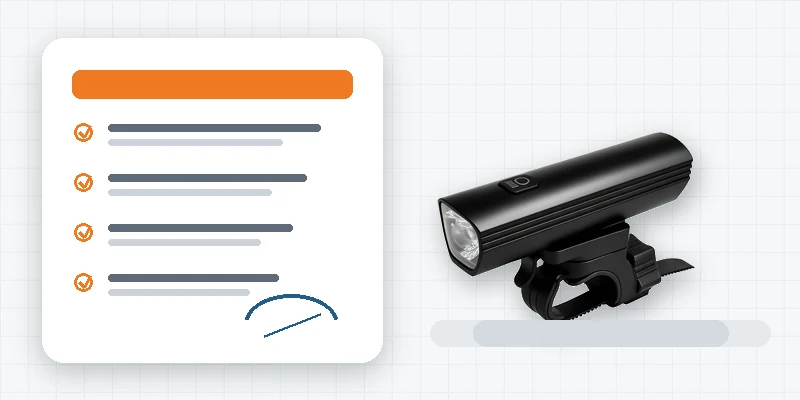
A custom bicycle light development brief is the controlled specification that keeps the brand, supplier and engineering team aligned from inquiry to production approval. It should state what the product must do, who will use it, how performance will be evaluated and who can approve each stage. Give the brief a version number and update it whenever an approved requirement or sample changes.
The word “custom” can describe very different scopes. One brand may need an existing platform with its logo, finish and packaging. Another may need different optics, electronics, battery, housing, mounting interface or industrial design. Those routes do not require the same engineering work or validation. Define the intended level of change before comparing quotations, and identify which party owns design files, tooling, firmware, artwork and final acceptance.
Define the Target Market Before Choosing Bicycle Lights
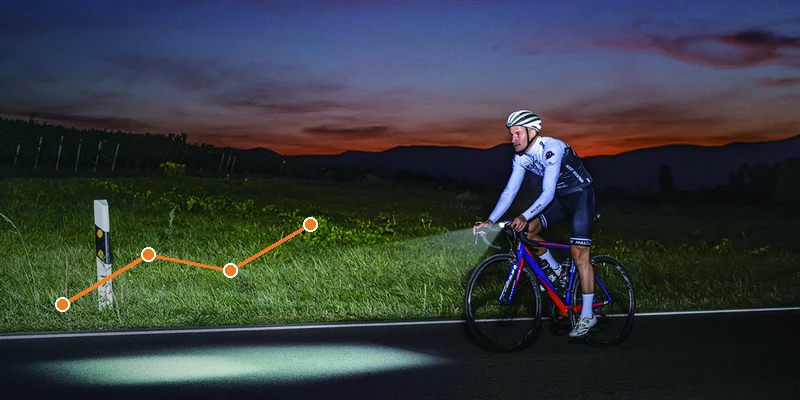
The right bicycle lights depend on the riding problem they must solve. Start with the rider and environment: urban commuter, road cyclist, gravel rider, mountain biker, delivery rider or e-bike user. Record typical speed, road surface, ambient lighting, ride duration, weather exposure, mounting position and whether the light must help the rider see the road, help other road users see the rider, or both.
The destination market and sales channel should be confirmed early. A product for a specialist bicycle retailer may need a different feature hierarchy, package explanation and supporting documents from a promotional accessory or an online private-label product. Lighting, labeling, battery transport and documentation expectations may also vary by market.
Convert the use case into ordered priorities. A city light may emphasize controlled road illumination, simple charging and easy removal. A trail product may give more weight to beam width, mounting stability, thermal control and sustained runtime. A long-distance product may accept additional size or weight to meet a longer runtime target. A clear priority order is more useful than requesting the maximum possible value in every category.
Choose the Right Custom Bike Light Development Route
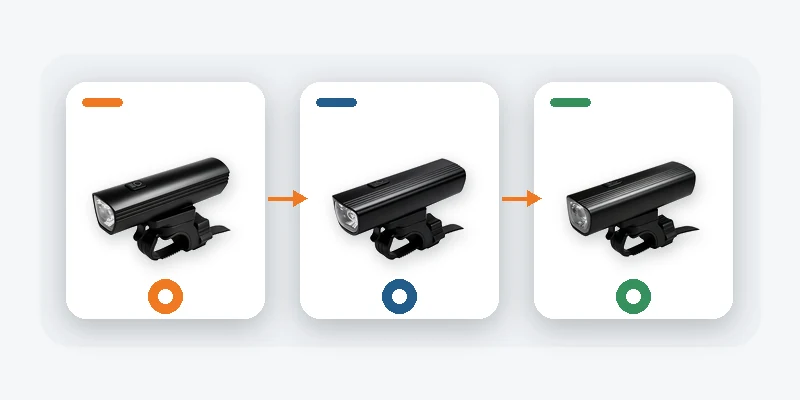
For a custom bike light, the practical distinction is the amount of verified change, not whether the project is casually described as OEM or ODM. Platform customization normally begins with an existing design and may include approved changes to branding, color, packaging, interface or selected components. A deeper program may change the optical target, electronics, battery system, housing, mount or industrial design and may require new tooling and broader validation.
Choose the route according to the source of customer value. If the advantage is channel fit, presentation and a proven platform, extensive structural changes may add risk without improving the offer. If the brand needs a unique beam, mounting interface, form factor or product integration, describe that difference as a measurable engineering requirement.
The brief should also name who approves appearance, function and production-equivalent samples. Resolving ownership and acceptance before development is more reliable than negotiating them after engineering work has begun.
Set Bicycle Front Light Beam and Visibility Requirements
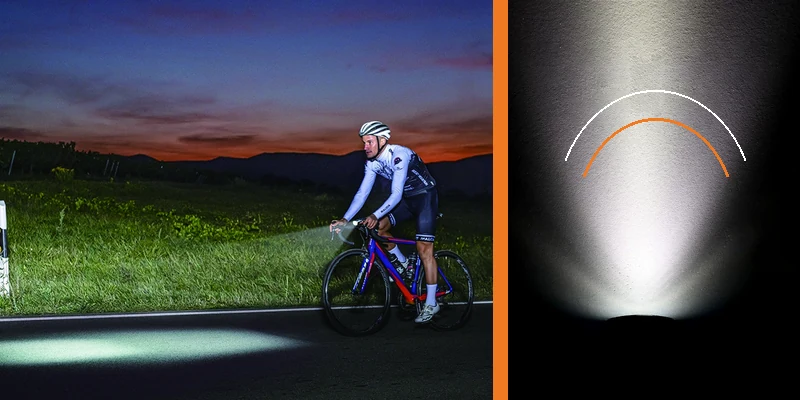
A bicycle front light cannot be evaluated by one lumen figure. Lumens describe total light output, but the rider experiences where the light is distributed, how far it reaches, how evenly the foreground is illuminated and whether the beam creates glare. The brief should specify the riding task, desired beam width and reach, near-field coverage, side visibility, cutoff or glare-control needs and the output expected after the light reaches a stable operating temperature.
Maximum output must be separated from normal operating modes. The current CONWICO OH1C-600 documentation, for example, lists a maximum output of 600 lumens, while its steady high mode is listed at 500 lumens for approximately 2.5 hours, medium at 250 lumens for approximately 5 hours and low at 100 lumens for approximately 11 hours. This model-specific example shows why a maximum figure should not be presented as though it applies for the full high-mode runtime.
Evaluate the sample on a bicycle in the intended environment, not only against a wall. Review the useful field of view, transitions between bright and dark areas, glare for approaching traffic, mode spacing and whether the mount retains the beam aim after vibration. Record the sample version, ambient conditions, battery condition, operating mode and any automatic output reduction with the result.
Specify Rechargeable Bike Light Runtime Battery and Charging
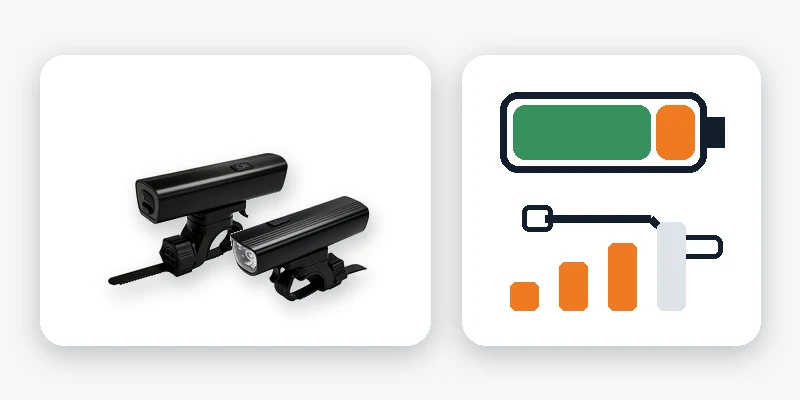
A rechargeable bike light specification needs more than battery capacity. State the required runtime for each important mode, the minimum usable output over that period, the cell configuration, charging input, charging-time target, battery-status behavior and low-battery response. Capacity in milliamp-hours is an input; it does not by itself determine runtime because LED power, driver efficiency, thermal regulation and mode logic also affect the result.
Decide whether the product needs a short maximum-output mode, a stable high mode, an energy-saving mode or a specific flashing pattern. Each mode should have a defined purpose and acceptance value. If output is reduced to control temperature or preserve remaining energy, the sample report should show when the change occurs and what output remains.
Charging requirements should identify the connector, supported input and included accessories. Do not use “fast charging” unless the charging specification and test evidence support that claim. The OH1C-600 manual lists a 2500 mAh 18650 battery and Type-C 5 V/1 A input. Those details apply only to that model and must not be generalized to every bicycle light.
Engineer the Bike Light Mounting System Housing and Weather Protection
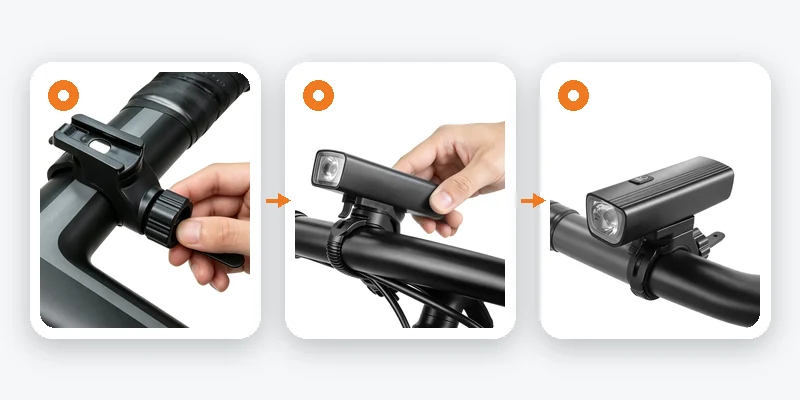
A bike light mounting system is part of optical performance. If the light slips, vibrates or cannot retain its angle, the beam will not remain where the rider needs it. Define the mounting location, compatible handlebar or tube dimensions, installation method, release mechanism, adjustment range and expected road or trail vibration.
Sample evaluation should include repeated installation, rough-surface riding and inspection for slip, wear or accidental release. Confirm whether the controls can be operated with gloves and list every required adapter or shim in the controlled product configuration and packaging checklist.
Housing material, sealing and thermal behavior should be reviewed together. Metal can support heat transfer, but the complete structure, surface area, electronics and airflow determine operating temperature. Water-ingress claims must use the exact verified rating. The OH1C-600 documentation lists IPX6 water resistance; the “X” does not establish a dust-protection rating. Define the intended exposure, test condition and post-test functional check instead of extending one model’s rating to the full product range.
Build a Bicycle Light Testing and Sample Approval Plan
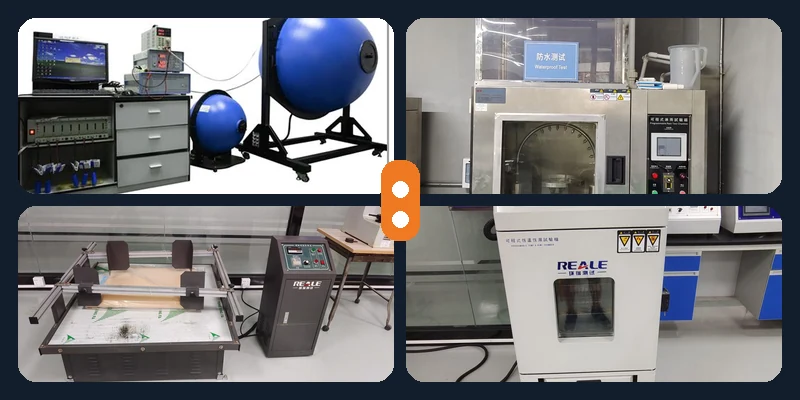
A bicycle light testing plan should follow the approved brief. Relevant checks may include photometric output and beam distribution, runtime by mode, charging behavior, operating temperature, water exposure, drop, vibration, mounting retention, button life, connector cycling and battery grading. Each report should identify the sample version, method, conditions, result and decision.
Give each sample a version, date and configuration. Attach the corresponding mode table, battery, mount, packaging status and unresolved issues. Where applicable, distinguish appearance samples, functional prototypes, engineering-validation samples and production-equivalent approval samples. Production should not proceed from an informal sample that is not tied to a controlled specification.
CONWICO’s supplied factory material documents CNC, assembly, aging, laser-marking, ultrasonic and glue-dispensing areas, together with an in-house product inspection center. The documented equipment includes integrating-sphere and dark-room systems, high- and low-temperature equipment, water, drop and vibration equipment, battery grading, connector cycling, button-life and salt-spray equipment. This establishes available equipment capability, but it does not prove that every product has passed every test. Buyers should request the records applicable to the exact model and configuration being approved.
Prepare Custom Bike Light Branding Packaging and Market Documents
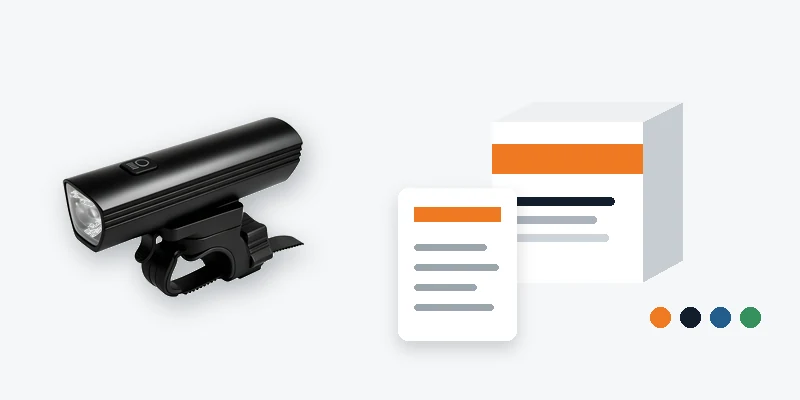
Custom bike light branding includes more than adding a logo. Confirm the artwork, application method, position, size, surface finish, color reference and acceptable appearance sample. Packaging requirements should define pack contents, accessories, product protection, barcode, labels, language, manual, warnings and the information required by the destination market and channel.
Freeze product claims only after the related specification is verified. Maximum output, runtime, charging input, water rating, materials and included accessories should agree across the product page, manual, retail box and marketplace listing. A result that applies to one model or configuration must not be reused across the entire range.
Treat documentation as a project deliverable with an owner and approval date. Do not accept “certified” as a complete answer. Record the document name, applicable model and configuration, standard or test basis, issuing party where relevant, date and scope. Confirm the destination-market requirements before final artwork or production approval.
What a Bicycle Light Supplier Needs Before Quotation?
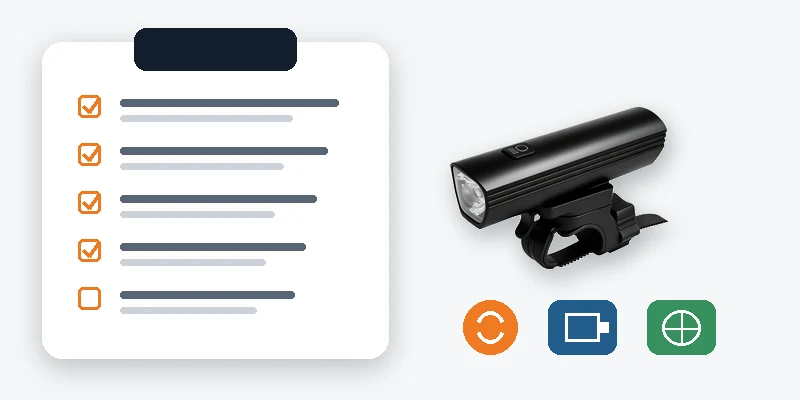
A bicycle light supplier can prepare a more relevant proposal when the inquiry describes the market and decision task, not only the target price. The RFQ should include the destination countries, sales channel, target rider, riding scenario, quantity range, launch schedule, preferred development route and any reference product used only to explain desired functions.
Add measurable requirements for the product type, beam objective, output and mode logic, runtime by mode, battery and charging, mounting position and dimensions, housing, weather exposure, controls, indicators, branding, packaging, documents and sample tests. Mark each requirement as mandatory, preferred or open to supplier recommendation.
Ask the supplier to identify assumptions, deviations, one-time engineering or tooling items, sample scope, approval stages and missing information. A quotation based on a shared specification is more useful than comparing headline prices for products that are not technically equivalent.
How to Evaluate a Bicycle Light Manufacturer Before Production?
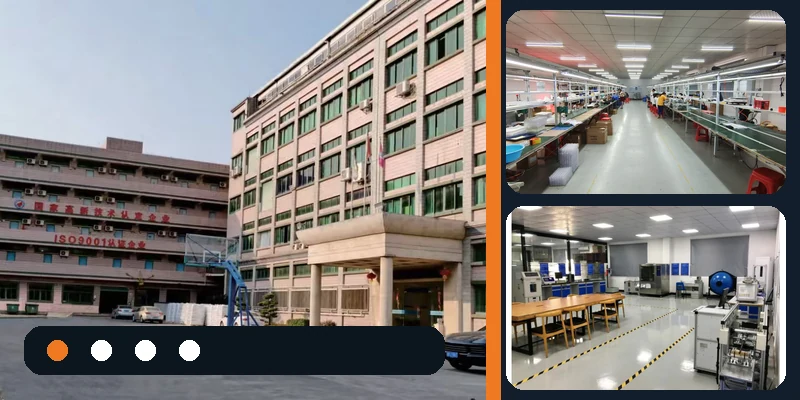
When evaluating a bicycle light manufacturer, examine the connection between design, production and evidence. Ask how requirements and sample versions are controlled, which measurements are completed in-house or externally, how failed results are handled and how the approved sample becomes the production specification.
Factory equipment is relevant, but process control matters just as much. A capable bike light factory should be able to show how optical, electrical, mechanical and packaging requirements reach the applicable work instruction or inspection record. Request model-specific evidence rather than treating a general equipment list as proof of product performance.
Before production, close the final specification, approved sample, controlled configuration, test requirements, artwork, packaging, documents and responsible approvers. Record later changes and assess their effect on function, appearance, testing and product claims.
Custom Bicycle Light Development Final Approval Checklist
Before authorizing production, confirm that the team has recorded:
- the destination market, sales channel, target rider, riding environment and product role;
- the development route, ownership and approval responsibilities;
- beam objectives, modes, maximum and sustained output, runtime and test conditions;
- battery configuration, charging input, indicator and low-battery behavior;
- mounting compatibility, stability, release, housing, controls and accessories;
- intended water, temperature, vibration, drop and corrosion exposure;
- the approved sample version, test results, artwork, packaging and market documents; and
- quantity, commercial terms, change-control owner and final production approval.
A strong custom bicycle light development process does not make the project unnecessarily complicated. It makes decisions visible and allows the brand and manufacturer to resolve trade-offs before they become tooling, inventory, packaging or marketplace problems.
CONWICO supports OEM and ODM project discussions for bicycle lighting and related portable lighting products. To request a feasibility review or sample recommendation, send the target market, use case, key functions, quantity range, branding scope and required launch timing through the CONWICO contact page.
Custom Bicycle Light Development FAQ
What makes a great bike light?
A great bike light fits a defined riding task. Its beam places useful light where the rider needs it, its output remains usable for the required ride time, its mount holds the aim, its controls are practical and its published claims match verified conditions. The highest lumen number alone does not establish those qualities.
Can you customize bike lights?
Customization may range from logo, color and packaging changes on an existing platform to changes in optics, modes, electronics, battery, housing or mounting. Feasibility and validation requirements depend on the exact change, so the supplier should confirm the scope after reviewing a written brief.
What information should we provide before requesting samples?
Provide the destination market, sales channel, rider and application, product type, beam and runtime objectives, battery and charging preferences, mounting position, functions, branding, packaging, documentation needs, quantity range and launch schedule. State which requirements are mandatory and which are open to recommendation.
Can product functions or battery options be adjusted?
They may be adjustable when the selected platform, housing, electronics, thermal design and validation scope support the change. Confirm the effects on runtime, charging, heat, dimensions, cost, documents and testing before approving the change.
What certifications are available for export markets?
Required evidence depends on the destination, product configuration, battery and sales channel. Ask for the exact report or declaration tied to the proposed model and market. Verify the model, test basis, issuing party, date and scope before using a certification claim in packaging or online content.